Winter can be harsh on garden equipment, particularly hoses. Many homeowners face a frustrating issue: "Why do some hoses leak after winter?" According to the American Society of Agricultural and Biological Engineers, improper storage can lead to damage from freezing temperatures. Hoses that are left coiled or exposed can develop cracks and leaks, impacting their performance when spring arrives.
A study by the National Gardening Association indicates that up to 30% of gardening enthusiasts report issues with leaking hoses at the beginning of the growing season. This highlights the importance of preemptive measures. Maintaining the integrity of hoses is not just a matter of convenience; it can significantly affect the efficiency of watering and overall garden health.
Proper care and maintenance strategies are essential for avoiding leaks. Many people overlook the potential damage caused by winter weather. Additionally, mistakes in storage techniques can lead to costly repairs or replacements. By understanding these risks, gardeners can implement effective strategies to protect their hoses and ensure a productive planting season.
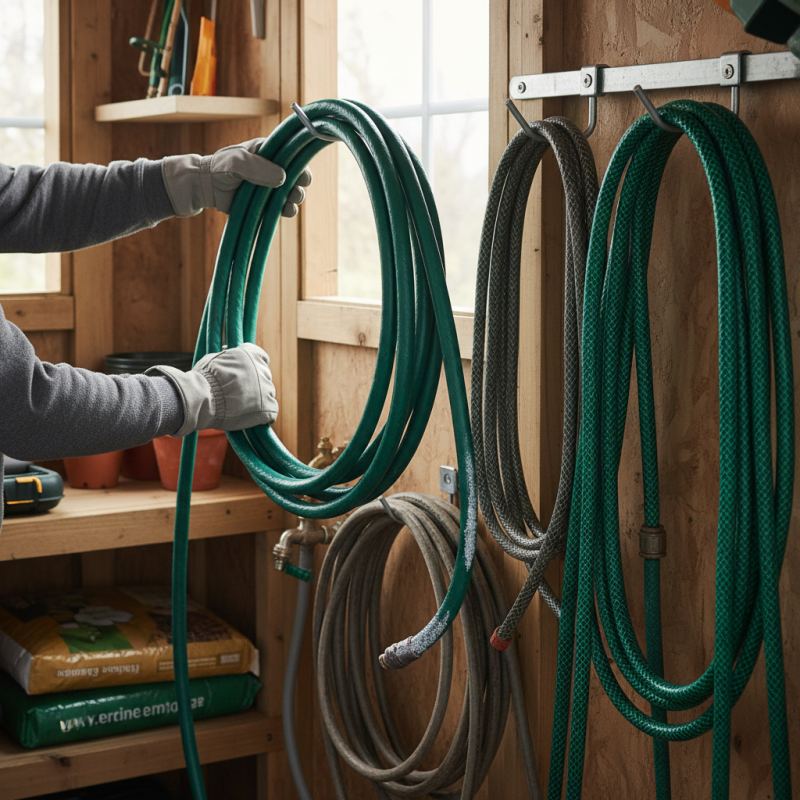
Hoses can develop leaks after winter due to several common causes. One major factor is freezing temperatures. Water inside hoses expands when frozen, leading to cracks or weak spots. When temperatures rise, these cracks may not seal properly, causing leaks.
Another issue arises from improper storage during the colder months. Hoses left outside can become brittle from exposure to harsh weather. Additionally, kinks or sharp bends created while storing can weaken sections of the hose, increasing the risk of leaks. Poor quality materials also contribute to the problem. Over time, even high-quality hoses can degrade, making them susceptible to leaks after winter.
Inspecting hoses regularly is essential. Look for visible signs of damage, like cracks or bulges. Pay attention to the hose ends where connections occur. They are often the weakest points and can be prone to leaks. Proper maintenance involves draining hoses after use and storing them in a cool, dry place. Ignoring these steps may lead to leaks that could have been prevented. Regular checks and mindful storage habits can go a long way in extending the life of your hoses.
: Preparing hoses for winter storage prevents damage from freezing water, which can cause cracks.
Use soapy water and a soft brush to remove dirt and grime, then dry them completely.
Leftover moisture can freeze and expand, leading to unseen cracks in the hose lining.
Store hoses in a cool, dry area away from sunlight to avoid material degradation.
Check for visible signs of wear, like cracks, bulges, or leaks, especially at the connections.
Even small leaks can waste up to 20 gallons of water daily, impacting your bills and resources.
Coiling hoses loosely can prevent stress, which might cause kinks or weak spots.
Reflect on your storage methods and consider making adjustments to improve longevity and performance.
Regular inspections throughout the season can catch potential issues early, saving you hassle later.
Yes, leaks may still happen. It's important to regularly assess and adjust your installation practices.
Hoses can be prone to leaking after winter due to various factors, leading to the question, "Why do some hoses leak after winter?" Common causes include frozen water inside the hoses that can cause cracks and wear, as well as damage from UV exposure or simply wear and tear over time. To prevent such issues, it is essential to prepare hoses for winter storage by draining them completely and storing them in a dry place away from extreme temperatures.
Before the first use of the season, thoroughly inspecting hoses for any signs of damage is crucial. Look for cracks, blisters, or weak spots that could lead to leaks. Additionally, ensuring that hoses are properly installed and secured during use can help prevent leaks from occurring. Regular maintenance, such as cleaning hoses and checking for wear, can extend their lifespan and maintain optimal performance throughout the seasons. Implementing these practices will significantly reduce the likelihood of leaks and ensure a reliable watering experience.

 Autowellix Autoparts