In the automotive repair industry, radiator hoses are essential components that ensure optimal engine cooling. A study by the Automotive Parts Association indicates that approximately 1 in 10 vehicle breakdowns is related to radiator hose failures. Therefore, knowing how to install a replacement radiator hose safely is critical for every car owner and mechanic.
Understanding the nuances of this installation process can prevent costly repairs. Many vehicle owners overlook the intricacies involved in replacing these hoses. Common mistakes, like using incorrect coolant or improper hose placement, can lead to leaks and overheating. Moreover, using the wrong tools may result in injury or damage to the vehicle.
Safety is paramount when dealing with engine components. A recommendation from the National Institute for Automotive Service Excellence emphasizes the need for comprehensive training and adherence to manufacturer guidelines. This helps ensure a safe installation process. Ultimately, mastering the question, “How to install a replacement radiator hose safely?” can enhance your skill set and promote vehicle longevity. It’s vital to approach this task with caution and a commitment to proper techniques.
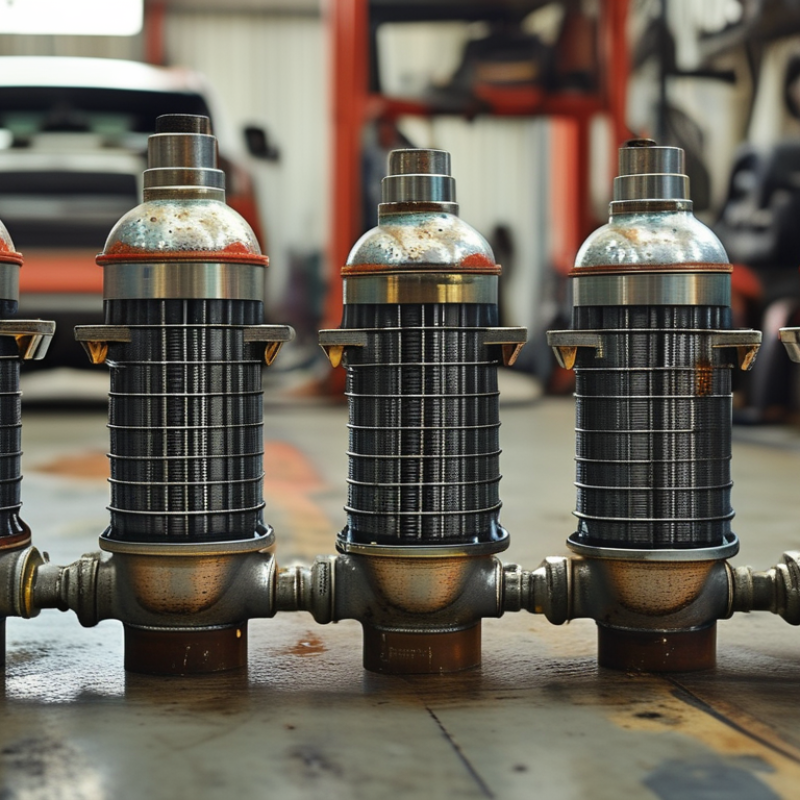
A radiator hose plays a crucial role in your vehicle’s cooling system. It carries coolant between the engine and the radiator, helping to regulate engine temperature. Over time, the hose can wear out, leading to leaks or bursts, which can result in overheating or severe engine damage. Recognizing the signs of a failing hose can save you time and money.
When replacing your radiator hose, ensure you choose high-quality materials. Inspect the existing hose for cracks or leaks before installation. It's also wise to check the hose clamps for corrosion or damage. A correct fit is essential to prevent leaks.
Using the right tools is just as important. You may need a hose clamp remover or pliers for easy removal. After installation, run the engine and check for leaks. Ensure the coolant level is adequate. If you see any signs of leaking, reassess the installation to avoid future issues. Taking these steps can make a significant difference in your vehicle's performance and longevity.
Identifying the right replacement radiator hose for your vehicle starts with understanding your car's specifications. Check your owner’s manual for hose sizes and materials. Different vehicles often need different hoses, sometimes even different models within the same brand. Incorrect sizing can lead to leaks or overheating, which could cost you more in repairs.
Visit auto parts stores or their websites to compare options. Many offer online tools for selecting the right part. Once you have a list, inspect the hoses closely. Look for signs of wear, like cracks or soft spots. Even a tiny hole can lead to significant cooling system problems.
Remember to measure the length and diameter of your old hose before making a purchase. This minimizes the risk of errors.
When selecting a replacement, consider quality over price. Cheaper hoses might not withstand high temperatures or pressure, leading to premature failure. Investing in a quality hose could save you from future issues.
Check whether the material is reinforced. Reinforcement provides more durability, especially in demanding conditions. Always prioritize reliability in your choice to ensure longevity.
To successfully install a replacement radiator hose, having the right tools and materials is crucial. A reliable set of tools typically includes a socket wrench set, pliers, and a hose clamp tool. Each tool plays a vital role in ensuring a secure and leak-free installation. For instance, well-fitted hose clamps prevent future leaks and protect the integrity of the entire cooling system. According to industry reports, improperly installed hoses can lead to a 40% increase in engine overheating incidents.
Materials are just as important. Using high-quality replacement hoses is essential. A silicone radiator hose, for example, can withstand higher temperatures and pressure compared to standard rubber hoses. Industry analysis shows that the lifespan of a silicone hose can exceed 10 years versus 5 years for traditional options. Moreover, having coolant or antifreeze on hand is vital for refilling the system post-installation. Always ensure your coolant meets the specifications for your vehicle type.
Despite preparation, mistakes can happen. A common issue is overlooking the need for accurate torque specifications for hose clamps. Misaligned hoses can create stress points, leading to wear and potential failure. Regular reviews of installation techniques and updates on best practices can help mitigate these issues. It’s essential to stay informed and adaptable to new developments in radiator hose technology.
| Tool/Material | Purpose | Recommended Type | Safety Tip |
|---|---|---|---|
| Replacement Radiator Hose | To replace worn or damaged hoses | Silicone or Rubber | Ensure compatibility with your vehicle model |
| Pliers | To remove clamps on old hoses | Slip-joint Pliers | Wear gloves to avoid cuts |
| Hose Clamps | To secure the new hose | Stainless Steel | Check for corrosion before use |
| Coolant | To refill the system after installation | Ethylene Glycol-based | Avoid skin contact; use safety goggles |
| Socket Wrench Set | To loosen or tighten bolts | Metric and Standard Sizes | Use the correct size to prevent damage |
| Bucket | To catch leaking coolant | Plastic, Large Capacity | Never pour coolant down the drain |
Removing an old radiator hose can be a straightforward task if approached with care. Start by ensuring the engine is cool. Wear gloves to protect your hands. Locate the radiator hose clamps. These clamps usually require a screwdriver or a special tool. Loosen them carefully without damaging the surrounding components.
In the U.S., improper hose installation is a leading cause of cooling system failures, representing over 30% of mechanical breakdowns. Be prepared for some coolant spillage when removing the hose. Using a catch pan can help minimize mess. After loosening the clamps, gently twist the hose while pulling it off. Some force may be needed, but don’t yank it aggressively; this can cause cracks in surrounding parts.
Inspect the old hose for any signs of wear or damage. Look for blisters, cracks, or leaks that may indicate deeper issues. Consider research indicating that rubber hoses have a lifespan of 4 to 6 years. Checking the condition of your radiator hose regularly can prevent overheating and costly repairs down the line. Remember, a proactive approach is better than dealing with a breakdown.
Installing a replacement radiator hose is crucial for maintaining your vehicle’s cooling system. Proper techniques ensure secure installation, which can prevent overheating and engine damage. According to industry data, nearly 30% of vehicle failures are attributed to cooling system issues. Pay attention to details during the installation process.
When replacing the hose, first ensure the engine is cool. Use gloves to protect your hands from sharp edges and hot components. Loosen clamps with a screwdriver, then carefully remove the old hose. Inspect the new hose for any damage before installation. You want it to fit snugly without kinks.
After positioning the new hose, tighten the clamps properly. A common mistake is leaving them too loose, which can lead to leaks. Aim for a secure grip, but avoid over-tightening. Over-tightened clamps may cause hose wear over time. Regularly check your new installation for any signs of wear or leakage.
Maintaining your vehicle’s cooling system is key to its longevity. A small oversight can lead to significant repairs down the line. Keep a close eye on your coolant levels and monitor the hose’s condition. Adjustments might be necessary as the component settles into place.
: Start by checking your car's owner’s manual for hose specifications.
Incorrect sizing can cause leaks or overheating, leading to expensive repairs.
Visit auto parts stores or their websites to explore various options and tools.
Look for signs of wear, like cracks, soft spots, or even small holes.
Measuring the length and diameter minimizes the risk of making purchasing errors.
Quality should come first. Cheaper hoses may fail under pressure or heat, costing more later.
Ensure the engine is cool, wear gloves, and use a catch pan to reduce mess.
Inspect for blisters, cracks, or leaks, which may indicate underlying issues.
Research indicates a lifespan of 4 to 6 years for rubber hoses.
Regular checks can prevent overheating and save you from costly repairs later.
Replacing a radiator hose is crucial for maintaining your vehicle's cooling system and preventing potential overheating issues. Understanding how to install a replacement radiator hose safely is essential to ensure your vehicle operates efficiently. The first step involves identifying the right replacement hose that fits your specific vehicle model. Gathering the necessary tools and materials is also vital for a smooth installation process.
In the step-by-step guide, you'll learn how to safely remove the old radiator hose without causing damage to surrounding components. Then, proper techniques for securing the new hose will be outlined, ensuring a leak-free connection. By following these guidelines, you can confidently tackle the installation process and keep your engine running cool.
Autowellix Autoparts