Signs of Failing Turbo Oil Pipe You Need to Know?

Time:2026-05-28 Author:Sienna
0%

The turbocharger plays a critical role in your vehicle’s performance. However, one of its vital components, the turbo oil pipe, can fail. Recognizing signs of this issue is crucial for maintaining your vehicle's health. What are the signs of a failing turbo oil pipe?

Typically, a warning sound may occur. You might also notice oil leaks around the turbo area. These leaks can lead to more serious engine problems. Increased exhaust smoke is another sign to watch for. A failing turbo oil pipe may not always present clear symptoms initially, requiring closer inspection. If you experience decreased engine performance, it could be related to this issue.

Ignoring these symptoms can result in costly repairs. It's essential to remain vigilant and take action sooner rather than later. Regular maintenance checks can help catch potential problems early. Understanding the signs ensures your turbocharger remains in optimal condition. Stay informed and proactive to protect your investment in your vehicle.
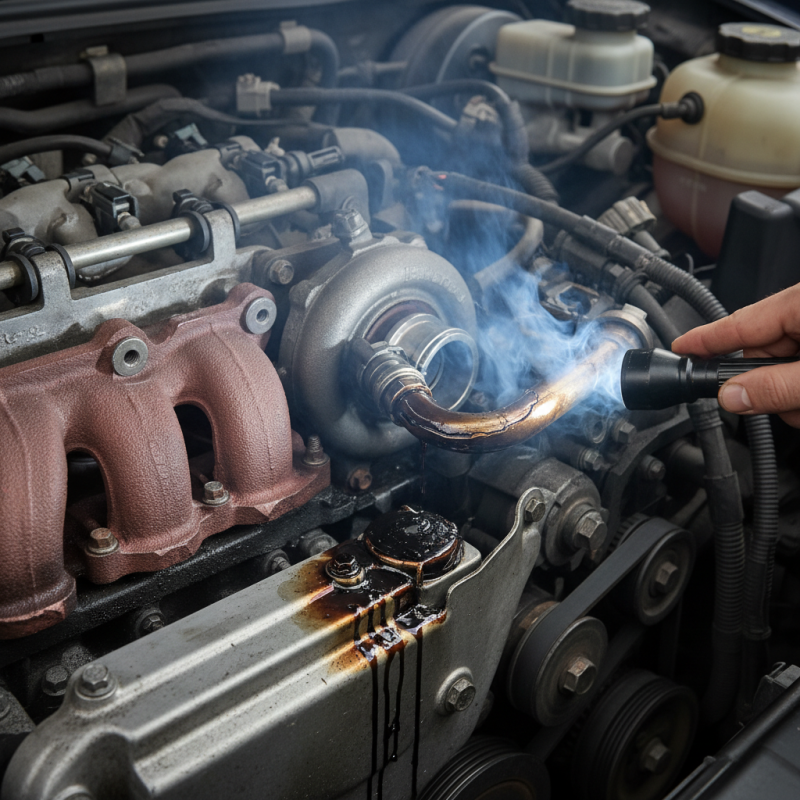
Signs of Failing Turbo Oil Pipe You Need to Know?

Understanding the Turbo Oil Pipe's Importance in Engine Function

The turbo oil pipe plays a vital role in an engine’s operation. It transports oil to the turbocharger, ensuring it runs smoothly. Proper lubrication is essential to prevent overheating and damage. A failing oil pipe can lead to severe engine issues. The consequences can be costly and risky, highlighting the importance of maintaining this component.

Signs of trouble often include oil leaks around the turbo. If you notice an oil puddle underneath your vehicle, it’s time to investigate. Strange noises from the engine also raise a red flag. Those sounds could indicate a lack of lubrication. Ignoring these issues may result in catastrophic engine failure. Regular inspections can catch problems early.

Understanding how the turbo oil pipe functions helps in maintaining the engine's health. Monitoring the oil pressure levels is crucial. Low pressure can signal blockage or a damaged pipe. Engine performance relies heavily on consistent oil flow. Skipping routine checks is a mistake many drivers make. Awareness and knowledge about these components can save time and money in the long run.

Common Symptoms Indicating a Failing Turbo Oil Pipe

A failing turbo oil pipe can cause serious engine issues. Recognizing the signs early is crucial. One common symptom is an increase in oil pressure. If the oil gauge shows higher readings than normal, it’s a red flag. You might also notice oil leaks around the turbo area. These drips can create a mess and signal a failing pipe.

Another telltale sign is an unusual burning smell. This odor often means oil is leaking onto hot engine components. Pay attention if your car starts to produce excessive smoke. Blue or gray smoke from the exhaust indicates oil may be burning within the engine. These symptoms shouldn’t be ignored. They can lead to costly repairs if not addressed promptly.

Listen for strange sounds too. A rattling or whining noise could suggest that the turbo is not getting adequate oil supply. When the oil pipe struggles, the entire system suffers. Regular maintenance can catch these issues early. Experience shows that proactive care can save time and money. Stay alert to these warning signs to ensure your turbo runs smoothly.

Signs of Failing Turbo Oil Pipe You Need to Know? - Common Symptoms Indicating a Failing Turbo Oil Pipe

Symptom Description Severity Level Potential Causes
Oil Leak Presence of oil pooling under the car indicating a potential leak in the turbo oil pipe. High Deterioration of seals or pipe damage.
Turbo Lag Delayed response from the turbo when accelerating. Medium Insufficient oil supply to the turbocharger.
Increased Exhaust Smoke Excessive smoke coming from the exhaust, particularly blue or gray smoke. High Oil burning in the combustion chamber due to a failing turbo.
Whining Noise Unusual high-pitched noise from the turbocharger during operation. Medium Bearing wear or oil starvation.
Oil Pressure Light The oil pressure warning light illuminates on the dashboard. High Low oil levels or problems with oil circulation.

Consequences of Ignoring Turbo Oil Pipe Issues

Ignoring issues with the turbo oil pipe can lead to severe consequences. A malfunctioning pipe may cause oil starvation, which can damage the turbocharger and lead to engine failures. According to industry reports, improper oil flow accounts for nearly 22% of turbocharger failures. This statistic highlights the importance of addressing any signs of issues promptly.

A cracked or worn oil pipe can result in oil leaks. This may create a dangerous situation where oil drips onto hot engine components. The risk of fire becomes a critical concern. Moreover, a clogged oil pipe can lead to increased friction and overheating, which accelerates wear on engine parts. In fact, engine stress increases significantly when oil flow is obstructed, resulting in costly repairs.

Regular maintenance can help prevent these issues. However, many car owners overlook the turbo oil pipe's condition. Failing to replace worn pipes can lead to catastrophic engine failure. Newer models may not be as forgiving. Research indicates that modern turbo engines operate under higher pressures and temperatures. Thus, they require more consistent monitoring and maintenance. Remember, neglecting these crucial components can have dire financial and safety implications.

Signs of Failing Turbo Oil Pipe

This chart illustrates potential signs of a failing turbo oil pipe based on incidences reported by automotive professionals. It is crucial to recognize these signs early to prevent further damages.

Steps to Diagnose a Failing Turbo Oil Pipe

Diagnosing a failing turbo oil pipe is crucial for maintaining engine health. A common sign of trouble includes oil leaks around the turbocharger. This indicates that the pipe may have cracks or blockages. Symptoms can escalate, leading to turbo failure or severe engine damage. According to the Society of Automotive Engineers, over 30% of turbo failures stem from oil supply issues.


Checking the turbo oil pipe should begin with a visual inspection. Look for oil residue or stains near joints. Additionally, listen for unusual noises from the turbo area. A whining or rattling sound could signify low oil pressure. Regular maintenance can prevent many issues, extending the life of your turbo system.


Tips: Employ a flashlight for better visibility while inspecting. It's beneficial to use a pressure gauge to measure oil flow. Remember that quick fixes can lead to larger problems down the road. Patience and thorough evaluation are key to resolving these issues effectively.

Preventive Maintenance Tips for Turbo Oil Pipe Longevity

Preventive maintenance for turbo oil pipes is crucial for engine longevity. Research indicates that 85% of turbo failures are linked to lubrication issues. Regular inspections can mitigate these risks. Check for leaks, clogs, and wear regularly. A minor oil leak could indicate a significant problem. Using a torque wrench to ensure proper fittings can prevent excess stress on the oil pipe.

Oil quality is another critical factor. Using the right viscosity and ensuring cleanliness can keep the turbo system healthy. Contaminated oil can lead to the formation of sludge, choking the oil supply. According to industry studies, maintaining oil changes every 5,000 miles can significantly reduce wear. Even small lapses in maintenance can lead to costly repairs.

Monitoring oil temperature can provide insights into potential issues. If temperatures exceed normal levels, it may signal an oil delivery problem. This is often overlooked in routine checks. Taking proactive measures, like preemptive oil pipe replacements at 100,000 miles, might seem excessive. However, it can ultimately save money and prevent failures.

FAQS

: What happens if I ignore turbo oil pipe issues?

: Ignoring these issues can cause oil starvation. This damages the turbocharger and leads to engine failure.

How common are turbocharger failures due to oil flow problems?

Improper oil flow accounts for nearly 22% of turbocharger failures, emphasizing the need for prompt action.

What are the signs of a failing turbo oil pipe?

Common signs include oil leaks around the turbocharger and unusual noises, like whining or rattling sounds.

Can a clogged oil pipe cause overheating?

Yes, a clogged oil pipe increases friction and overheating. This accelerates wear on engine parts significantly.

How can regular maintenance help with turbo oil pipe issues?

Regular maintenance prevents oil pipe problems. It helps extend the life of the turbo system and avoids costly repairs.

What should I look for when inspecting the turbo oil pipe?

Look for oil residue near joints and listen for strange noises. These can indicate cracks or blockages.

Why is diagnosing turbo oil pipe issues important?

Diagnosing early can prevent severe engine damage. Symptoms can escalate quickly without proper attention.

What tools are helpful for inspecting the turbo oil pipe?

A flashlight aids visibility. A pressure gauge can help measure oil flow effectively during the inspection.

What are the risks of neglecting turbo oil pipe maintenance?

Neglect can lead to catastrophic engine failure. Financial and safety implications are severe and should not be ignored.

How does modern engine design affect turbo oil pipe maintenance?

Modern turbo engines operate under higher pressures. They require more consistent monitoring and maintenance to avoid issues.

Conclusion

The article "Signs of Failing Turbo Oil Pipe You Need to Know?" provides essential insights into the importance of the turbo oil pipe in maintaining engine functionality. Understanding this component is crucial, as it plays a vital role in lubricating the turbocharger. The article outlines common symptoms indicating a failing turbo oil pipe, such as oil leaks, unusual noises, and reduced engine performance. Ignoring these symptoms can lead to severe consequences, including turbo failure and major engine damage.

Additionally, the article details steps to diagnose a failing turbo oil pipe and offers preventive maintenance tips to enhance its longevity. For car enthusiasts and mechanics alike, knowing "what are the signs of a failing turbo oil pipe?" is important for timely interventions that can save costly repairs and ensure optimal engine performance.

Sienna

Sienna

Sienna is a skilled marketing professional with a deep expertise in our company’s core products and services. With a passion for innovation and detail, she plays a pivotal role in crafting insightful blog posts that not only highlight the unique features of our offerings but also provide valuable......